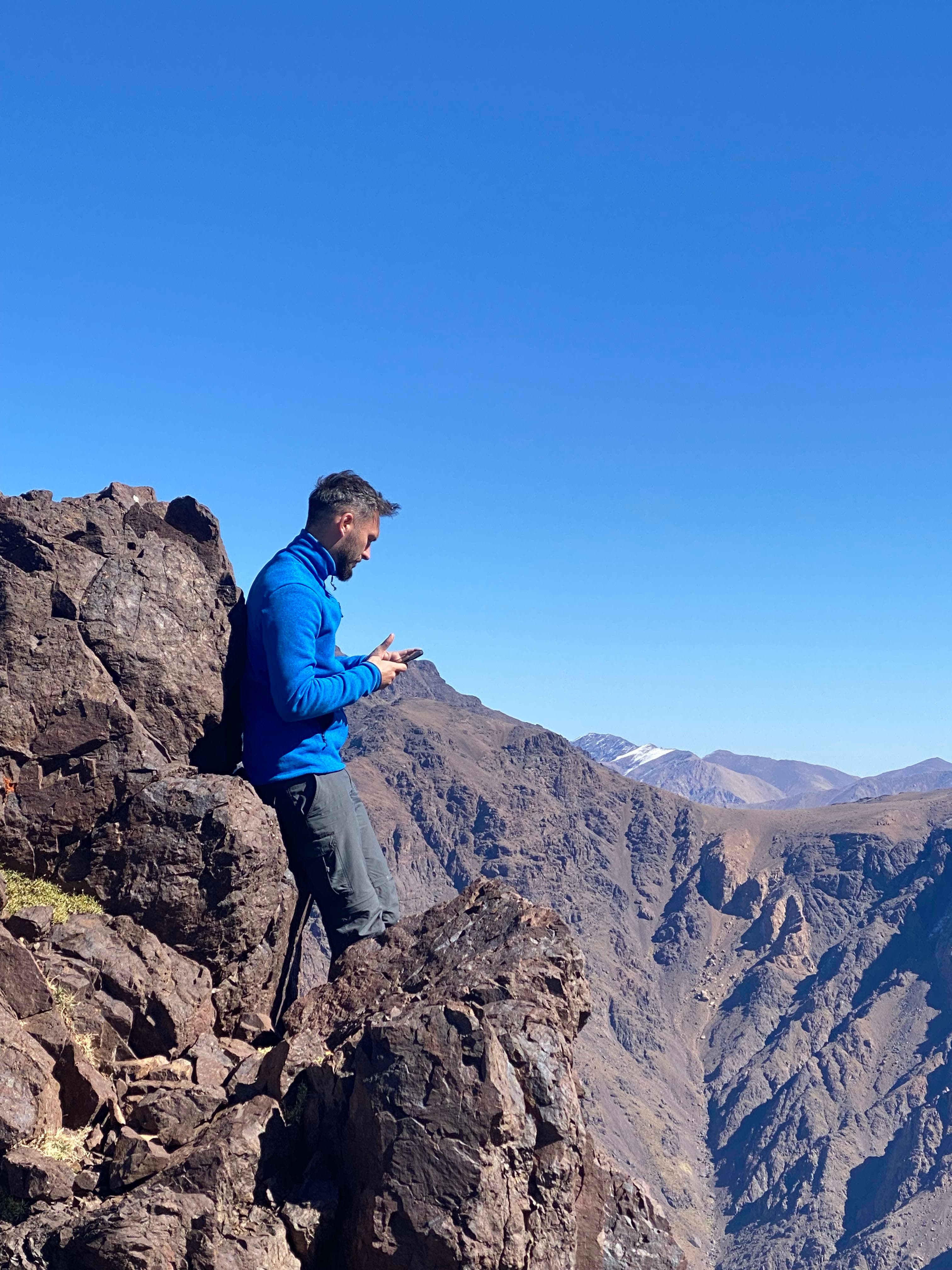
A practical first-time guide to climbing Mount Toubkal in Morocco, with local advice on fitness, altitude, gear, pacing, summit day, and choosing the right 2-day or 3-day Toubkal trek.
Most people who ask us about climbing Mount Toubkal for the first time have the same quiet question in their mind: "Can I really do it?"
The honest answer is yes, many first-time trekkers can reach the summit of Mount Toubkal, but it is still a real mountain. At 4,167 meters, Toubkal is the highest peak in Morocco and North Africa. The normal route does not require ropes or technical climbing in good conditions, but it does require steady legs, patience, warm layers, and respect for altitude.
We guide this mountain often from Imlil, and we see all kinds of hikers on the trail: strong beginners, nervous solo travelers, couples who trained on stairs at home, and experienced hikers surprised by how hard the descent feels. This guide is the advice we would give you before booking the 2-day Toubkal trek from Marrakech.
Summary of the article
- What Mount Toubkal Is Really Like
- Can First-Time Trekkers Climb Toubkal?
- Two Days or Three Days: Which Is Better for a First Toubkal Climb?
- How to Prepare Your Body
- Altitude: What You Should Know Before Summit Day
Jump to the section that interests you most.
What Mount Toubkal Is Really Like
Mount Toubkal is not a technical climb in the normal trekking season, but it is not a casual walk either. The route begins in Imlil, climbs through Berber mountain villages and mule tracks, passes Sidi Chamharouch, then continues to the Toubkal Refuge at around 3,200 meters. The summit climb usually starts before sunrise, when the air is cold and the mountain is still dark.
The challenge comes from three things together:
- Long uphill walking on rocky trails
- Sleeping high before summit day
- A long descent back to Imlil after the summit
That is why good pacing matters more than speed. The strongest hikers are not always the ones who arrive happiest. The happiest ones are usually the people who walk steadily, drink water, eat before they feel empty, and listen to their guide.
Can First-Time Trekkers Climb Toubkal?
Yes, if you are active and realistic. You do not need previous high-altitude experience for a guided Toubkal trek in normal conditions, but you should be comfortable walking for several hours and climbing uphill without rushing.
Toubkal is usually suitable for first-time trekkers who:
- Can walk 5 to 7 hours in a day
- Have done some hiking, gym training, running, cycling, or regular long walks
- Are comfortable with basic mountain accommodation
- Can handle cold mornings and simple trail conditions
- Understand that summit day is harder than day 1
It may not be the right first trek if you have not been active recently, if steep descents hurt your knees badly, or if you want a very slow cultural walk with many long stops. In that case, a gentler route or the 3-day Mount Toubkal hike is usually a better choice.
Two Days or Three Days: Which Is Better for a First Toubkal Climb?
The 2-day Mount Toubkal trek is the classic choice for travelers who have limited time in Marrakech and want a direct summit experience. It is efficient, well organized, and very rewarding if your fitness is good.
The 2-day route is best if:
- You have only two days available
- You are already active
- You want the most direct route to the summit
- You are comfortable with a long second day
- You prefer a focused mountain challenge
The 3-day route is better if:
- This is your first big mountain trek
- You want more time to adjust to altitude
- You prefer a calmer pace
- You want more time in Imlil and the High Atlas
- You want to enjoy the villages and scenery without feeling rushed
If you are comparing routes, our detailed 2-day Mount Toubkal trek from Marrakech guide explains the itinerary, prices, inclusions, refuge night, and what the two days feel like from start to finish.
How to Prepare Your Body
You do not need complicated training. You need legs that are used to going uphill and lungs that are used to steady effort.
Start four to six weeks before your trip if you can. Walk hills, climb stairs, use a treadmill incline, cycle, run gently, or do long fast walks. If you live in a flat city, stairs are your friend. Add a small backpack sometimes so your shoulders and hips get used to carrying water, layers, and snacks.
The descent is what surprises many people. Going down from the summit to the refuge, then all the way to Imlil, can be harder on the knees than the climb. Squats, step-downs, lunges, and long downhill walks help a lot.
A simple preparation plan:
- 2 or 3 cardio sessions each week
- 1 longer walk or hike each week
- Some leg strength work for knees and descent
- A few walks with the shoes you will use on the trek
- Practice drinking and snacking while moving
The goal is not to become an athlete. The goal is to arrive in Imlil with a body that understands long, steady effort.
Altitude: What You Should Know Before Summit Day
Altitude is the part you cannot fully train for at home. Above 3,000 meters, many hikers feel slower than usual. Some get a mild headache, lose appetite, sleep lightly at the refuge, or feel breathless on the summit climb. This is common, but it should still be taken seriously.
The best altitude advice is simple:
- Walk slower than you think you need to
- Drink water regularly
- Eat small amounts often
- Keep your body warm at the refuge
- Tell your guide early if you feel unusual symptoms
Do not hide a headache or dizziness because you want to be brave. A good guide can adjust the pace, watch your condition, and make the right decision. On Toubkal, pride is less useful than honesty.
Gear That Actually Matters
Good gear does not need to be expensive, but it needs to work. The wrong shoes, no headlamp, or missing warm layers can turn a beautiful climb into a hard lesson.
For a normal Toubkal trek, bring:
- Hiking boots or strong trail shoes with good grip
- Warm fleece or insulated jacket
- Waterproof jacket
- Comfortable hiking trousers
- Warm hat and gloves
- Sunglasses and sunscreen
- Headlamp for summit morning
- Reusable water bottle
- Small backpack
- Personal medication and blister care
- Snacks for summit day
- Power bank if you use your phone for photos
In winter and snowy months, the list changes. You may need crampons, an ice axe, gaiters, warmer gloves, and better waterproof boots. If you arrive in Morocco without everything, you can check our Imlil gear shop for useful trekking equipment and rental options before the climb.
What the Two Days Feel Like
Day 1 usually starts with pickup from Marrakech and a drive to Imlil. After meeting your guide and checking equipment, the trek begins gradually. The first part passes villages, walnut trees, mule paths, and small stops for tea or lunch. Later, the trail becomes more rocky and the altitude becomes more noticeable as you approach the refuge.
Most people arrive at the refuge tired but excited. Dinner is simple, the room is shared, and the evening is usually quiet because everyone knows summit morning starts early.
Day 2 begins in the dark. This is where Toubkal becomes memorable. You leave with a headlamp, climb slowly above the refuge, and watch the sky change color behind the mountains. The summit push is steep in places, but the reward is big: the High Atlas opens around you, and on a clear day the view feels endless.
After the summit, the work is not finished. You descend to the refuge, rest, eat, and continue down to Imlil before returning to Marrakech. It is a full day, and this is why the 2-day trek needs good fitness.
Local Pacing Advice
When we guide Toubkal, we usually tell hikers to walk at a pace where they can still speak in short sentences. If you are breathing too hard to answer a simple question, you are probably moving too fast.
Small steady steps are better than big dramatic ones. Short breaks are better than stopping for too long and getting cold. Drink before you are thirsty. Eat before you feel empty. Do not race to the refuge on day 1, because summit day will ask for more energy than you expect.
This kind of pacing is not glamorous, but it works.
Common First-Time Mistakes
Most problems on Toubkal are not dramatic. They are small mistakes that build up.
- Wearing new boots for the first time
- Forgetting a headlamp
- Starting too fast from Imlil
- Not eating enough on day 1
- Bringing only light city clothes
- Underestimating the cold before sunrise
- Ignoring early signs of altitude discomfort
- Forgetting cash for small personal extras
The mountain is much easier when you prepare the simple things well.
When Not to Choose the 2-Day Toubkal Trek
The 2-day trek is excellent, but it is not the perfect route for everyone. Choose a slower option if you want more acclimatization, if your fitness is uncertain, if you are traveling in winter without experience, or if your main goal is to enjoy the villages and valleys rather than move quickly to the summit.
For many first-time trekkers, the 3-day Toubkal hike gives a better balance of effort, scenery, and comfort. For active travelers with limited time, the 2-day Toubkal trek from Marrakech remains the strongest choice.
Final Advice Before You Book
Climbing Mount Toubkal for the first time is not about being fearless. It is about arriving prepared, walking with patience, and accepting the rhythm of the mountain. The summit is beautiful, but the small moments matter too: the first view above Imlil, the quiet at the refuge, the cold air before sunrise, and the feeling when you see the trail dropping back toward the valley.
If you want the direct summit route with transport from Marrakech, local guide, refuge night, meals, and support from Imlil, start with our 2-day Mount Toubkal trek. If you are unsure whether two days or three days is better for you, send us a message and we will give you honest advice based on your fitness, travel dates, and season.
Put this guide into practice
Guided treks related to this article
Written and reviewed by
Atlas Toubkal Trek Team
Atlas Toubkal Trek is based in Imlil, where the main Mount Toubkal and High Atlas routes begin. Our guides combine local trail knowledge with the practical questions hikers ask before and during their trek.
Meet the local teamTopics
Continue Reading
Explore more articles in Mount Toubkal Guides
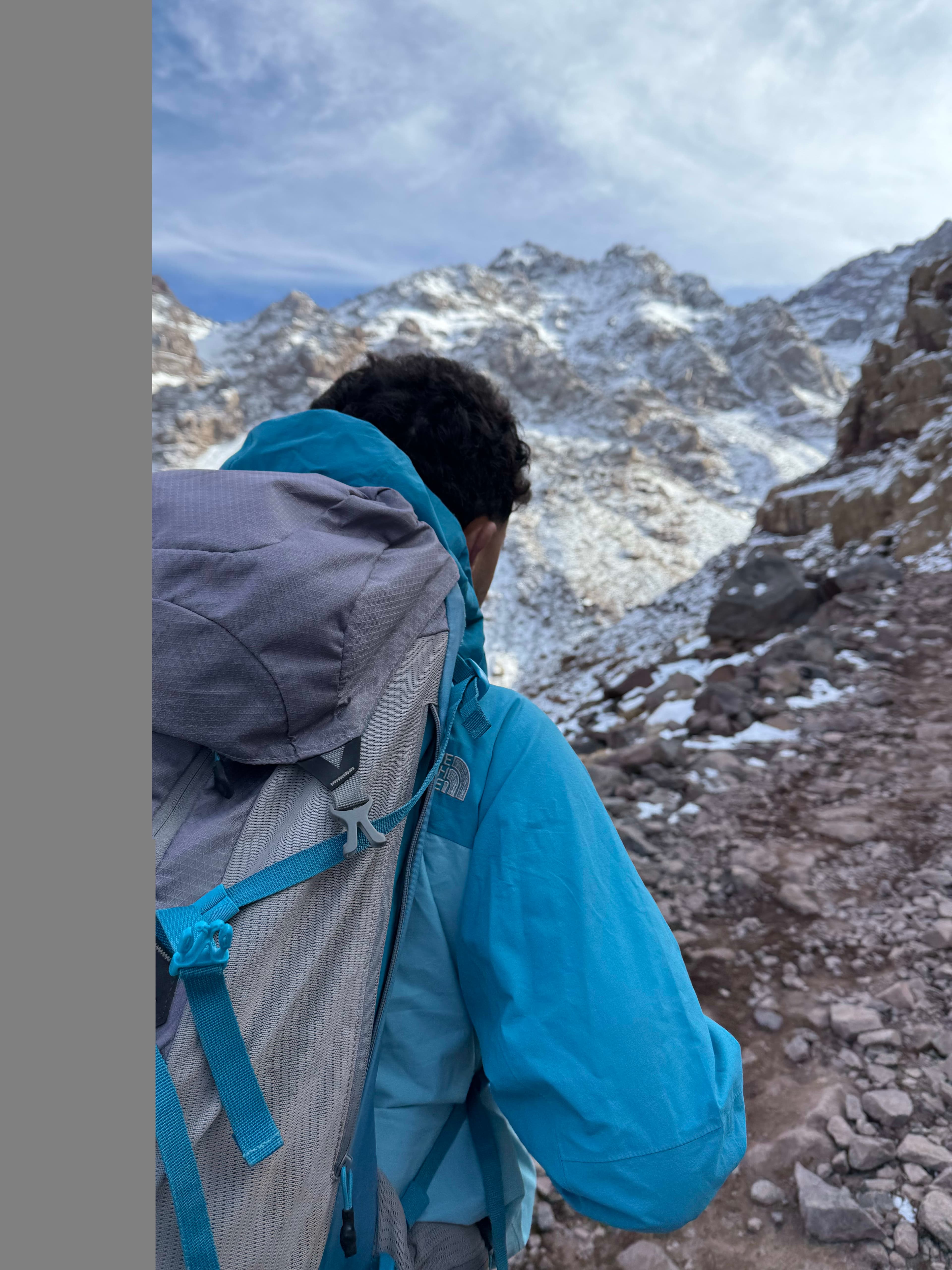
Can You Climb Mount Toubkal Without a Guide? 2026 Rules Explained
Can you climb Mount Toubkal without a guide in 2026? A local guide from Imlil explains the current Toubkal guide rule, checkpoints, safety, and how to book.
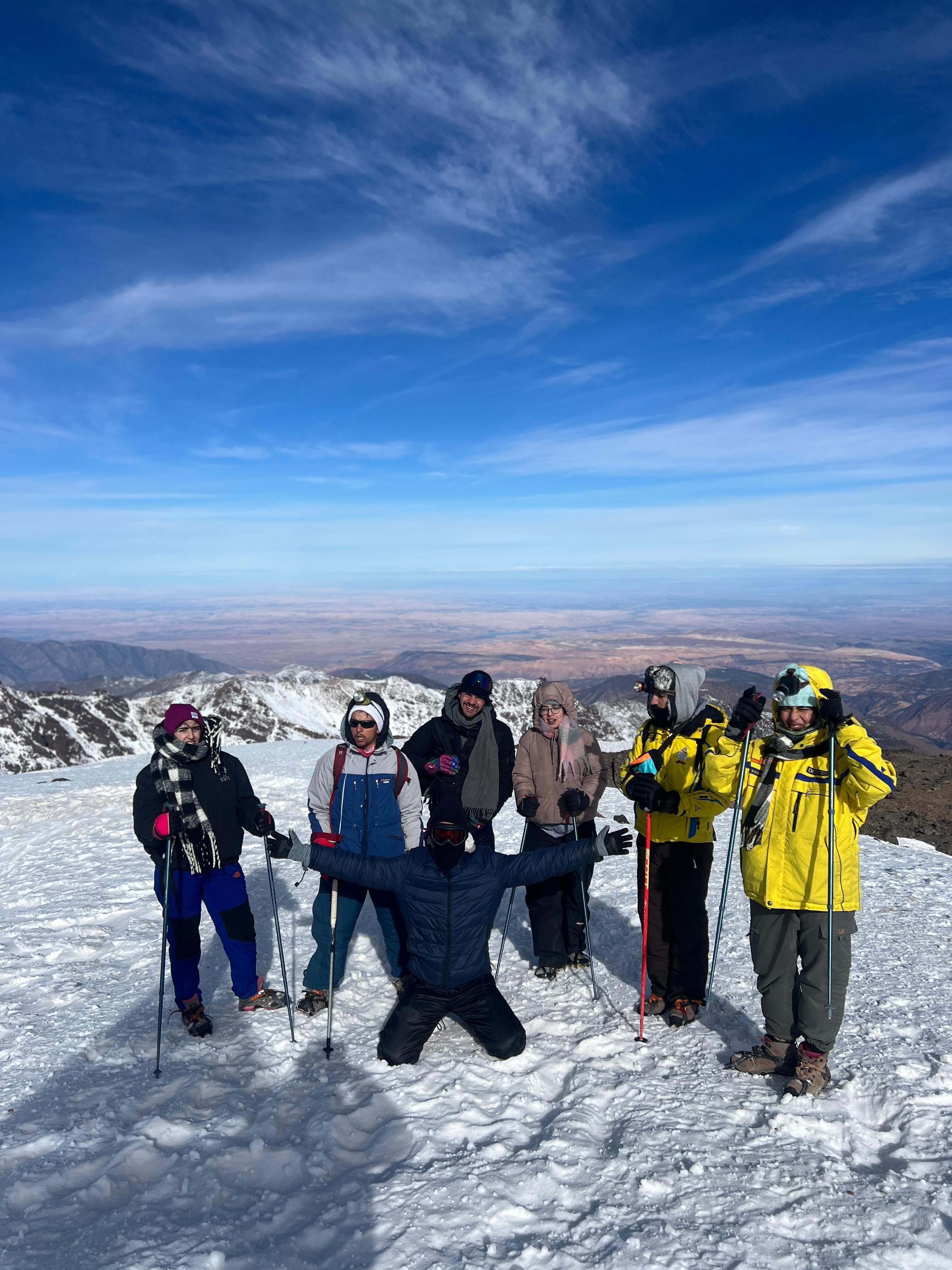
Toubkal Refuge Guide: What to Expect at Base Camp Before the Summit
Local guide to the Toubkal Refuge and Les Mouflons base camp, including the route from Imlil, rooms, food, showers, altitude, summit morning, packing tips and booking advice.
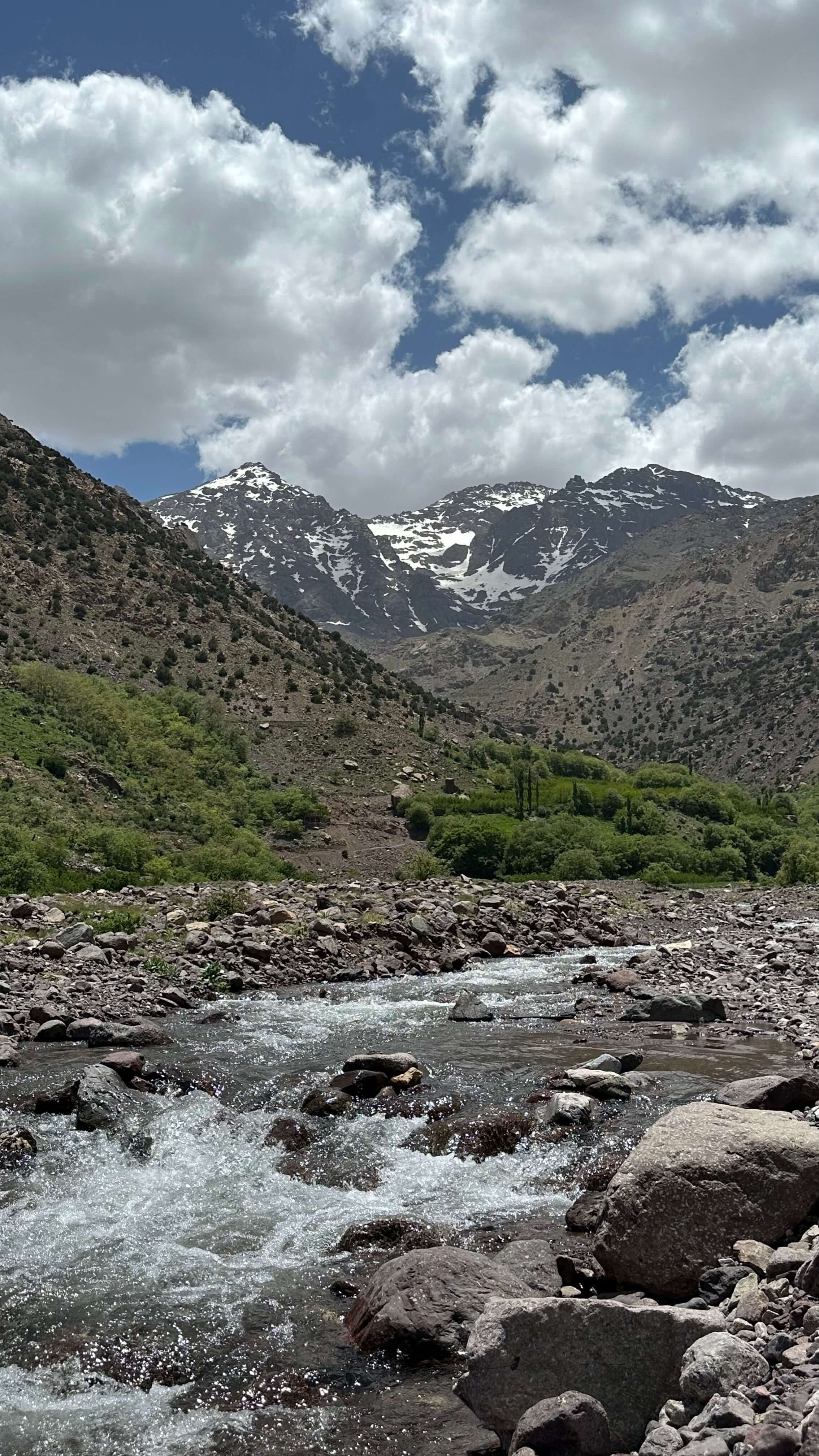
2-Day Mount Toubkal Trek from Marrakech: Complete 2026 Guide
Complete 2026 guide to the 2-day Mount Toubkal trek from Marrakech, including prices, itinerary, difficulty, distance, refuge stay, packing tips, meals, and booking advice.