Prepare for Mount Toubkal with a realistic 8-week training plan covering uphill fitness, leg strength, long walks, backpack practice, recovery, altitude and summit-day readiness.
You do not need to be an athlete to climb Mount Toubkal, but arriving with strong legs and steady endurance makes the trek much more enjoyable. The goal of training is not to become fast. It is to prepare your body for two long days on mountain trails, including a sustained ascent, a very early summit climb and a long descent back to Imlil.
This eight-week plan is designed for a generally healthy person who already walks or exercises occasionally and is preparing for the classic 2-day Mount Toubkal trek. If you are starting from no regular activity, give yourself 10–12 weeks and build up more gradually. Anyone with a medical condition, recent injury or concerns about exercising at altitude should speak with a qualified healthcare professional before training.
Summary of the article
- What Fitness Do You Need for Mount Toubkal?
- The Four Parts of Good Toubkal Training
- Weeks 1–2: Build a Consistent Base
- Weeks 3–4: Add Hills and a Backpack
- Weeks 5–6: Make Training Trek-Specific
Jump to the section that interests you most.
What Fitness Do You Need for Mount Toubkal?
Mount Toubkal is a trekking peak rather than a technical climb in normal snow-free conditions. The challenge comes from the accumulated effort: rocky paths, roughly 2,400m of total ascent from Imlil to the 4,167m summit, altitude, and a long second day.
A useful goal before departure is to be able to:
- Walk for 6–7 hours at a comfortable pace with breaks
- Climb continuously uphill for 60–90 minutes without exhausting yourself
- Carry a 5–7kg daypack comfortably
- Complete two active days in a row
- Descend hills or stairs without significant knee pain
These are practical readiness markers, not entry rules. Your pace on the mountain will be slower than at home, and your guide will adjust the rhythm to the group and conditions. For a fuller picture of the route and walking times, see our guide to how difficult Mount Toubkal is.
The Four Parts of Good Toubkal Training
The most useful preparation combines four things.
1. Aerobic endurance helps you keep moving for several hours. Brisk walking, hiking, cycling, jogging and stair climbing all work. 2. Uphill practice prepares your legs and lungs for the long climb from Imlil to the refuge and from the refuge to the summit. 3. Strength training supports your knees, hips, ankles and core, especially during the descent. 4. Time on your feet teaches your body to stay comfortable through a long mountain day. One longer weekly walk is more specific than several very short, intense workouts.
You do not need complicated equipment or a gym. Consistent walking, stairs and a few basic strength exercises can prepare you well.
Weeks 1–2: Build a Consistent Base
Start with four active days each week:
- Two brisk walks of 40–50 minutes
- One strength session of 25–35 minutes
- One easy longer walk of 90 minutes to 2 hours
During strength sessions, use controlled sets of squats or chair squats, reverse lunges, step-ups, calf raises, glute bridges and planks. Begin with body weight. Good movement matters more than adding heavy resistance.
Keep the intensity comfortable enough that you could speak in sentences. These first weeks are about routine, not fatigue. Include at least one complete rest day and avoid increasing duration and intensity at the same time.
Weeks 3–4: Add Hills and a Backpack
Continue with four or five active days, but make one weekday session specific to climbing:
- One brisk 45–60 minute walk
- One hill or stair session of 30–45 minutes
- One strength session
- One easy recovery walk or cycle
- One 2–3 hour weekend hike
Start carrying a light backpack on the weekend, beginning around 3–4kg. Use the same pack and, if possible, the same footwear you plan to bring to Morocco. Increase the pack gradually; there is no advantage in carrying an unnecessarily heavy load.
If you live somewhere flat, use stairs, a treadmill with incline, repeated bridge approaches or step-ups onto a stable bench. Continuous uphill movement is ideal, but repeated short climbs still build useful strength and endurance.
Weeks 5–6: Make Training Trek-Specific
These are the most important weeks. Aim for:
- One 45–60 minute easy endurance session
- One 45–60 minute hill or stair workout
- One strength session
- One recovery session or full rest day
- One long hike of 4–6 hours with a 5–7kg pack
At least once, complete an easy 60–90 minute walk the day after your long hike. This back-to-back training prepares you to move again when your legs are tired, without requiring two very long days.
Use your long outings to test your real trekking routine: breakfast, water, snacks, socks, boots, poles, sun protection and layers. A training walk is the best place to discover that a boot rubs your heel or your pack straps need adjustment. Our Mount Toubkal packing list will help you decide what to test.
Practice descending as well as climbing. Walk down with short, controlled steps and avoid rushing. Trekking poles can reduce strain and improve balance on loose ground, but use them during training so they feel natural before summit day.
Week 7: Your Final Big Week
Complete your longest mountain-style outing about 10–14 days before the trek. A 5–7 hour hilly walk with the pack you expect to carry is an excellent rehearsal. It should feel challenging but controlled; it should not leave you injured or exhausted for several days.
Keep one short hill session and one light strength session during the week. Do not suddenly double your training because departure is close. Fitness develops through training followed by recovery, not through one punishing final workout.
Week 8: Taper and Arrive Fresh
Reduce your total training by roughly half. Take two or three easy walks, include a few short hills, and keep moving without creating soreness. Skip heavy leg training and avoid testing a new sport or an unusually long route.
Prioritize sleep, regular meals and recovery. Pack early enough to solve equipment problems calmly. Your aim is to arrive in Morocco rested and confident, not to arrive carrying fatigue from your hardest training week.
A Simple Weekly Training Schedule
Here is an example you can adapt around work and family commitments:
- Monday: Rest
- Tuesday: Brisk walk or easy cardio
- Wednesday: Strength session
- Thursday: Hill, stairs or inclined treadmill
- Friday: Rest or gentle mobility
- Saturday: Long hike with your backpack
- Sunday: Easy recovery walk; during weeks 5–7, occasionally make this a longer second-day walk
Move the days as needed, but try to separate hard sessions and preserve recovery. Mild tiredness is normal; sharp pain, worsening joint pain or an unusual loss of energy is a reason to stop and reassess.
How to Train If You Have No Mountains Nearby
Flat-country training can still work very well. Combine longer outdoor walks with stairs or incline sessions. For example, walk briskly for 90 minutes, then finish with 20–30 minutes of stairs. Step-ups develop many of the same muscles used on steep trails, while split squats and slow step-downs prepare the legs for descending.
Do not underestimate ordinary time on your feet. A four-hour varied walk in a park, along a coast or through a city still builds endurance. Add climbing wherever you can and use your weekend pack.
Fitness Does Not Prevent Altitude Sickness
Strong fitness helps you manage the physical work, but it does not make you immune to altitude illness. Even very fit people can develop symptoms because individual response, ascent rate and acclimatization matter.
The CDC's high-altitude guidance explains that the body needs time to adjust. Tell your guide promptly if you develop a headache with nausea, dizziness, unusual fatigue or other concerning symptoms. Do not hide symptoms to protect your chance of reaching the summit, and do not use fitness as a reason to push higher when you feel unwell.
If your schedule allows, spending a night in Imlil and choosing a slower itinerary can provide a gentler start. The 3-day Mount Toubkal hike spreads the experience over more time and may suit hikers who prefer a less compressed schedule.
Common Training Mistakes
- Training only on flat ground and never climbing stairs or hills
- Doing hard workouts but no long, steady walks
- Ignoring descents until the trek
- Wearing new boots for the first time in Morocco
- Carrying a very heavy pack in training and irritating the knees
- Skipping recovery because more training feels better
- Assuming excellent fitness guarantees an easy response to altitude
The best plan is the one you can follow consistently. Three or four sensible sessions every week are more valuable than an extreme weekend followed by several inactive days.
Your Final Readiness Check
About two weeks before departure, ask yourself: Can I walk for most of a day, climb steadily, carry my pack, eat and drink while moving, and wake up ready for another active day? If the answer is yes, you have built the fitness that matters most.
You may still find summit morning hard—most people do. But with steady preparation, suitable gear and a calm pace, you can spend less energy simply coping and more time enjoying the sunrise, the High Atlas views and the achievement of reaching North Africa's highest summit. Read our step-by-step summit day guide to see how that training comes together on the mountain.
Put this guide into practice
Guided treks related to this article
Written and reviewed by
Atlas Toubkal Trek Team
Atlas Toubkal Trek is based in Imlil, where the main Mount Toubkal and High Atlas routes begin. Our guides combine local trail knowledge with the practical questions hikers ask before and during their trek.
Meet the local teamTopics
Continue Reading
Explore more articles in Gear & Safety
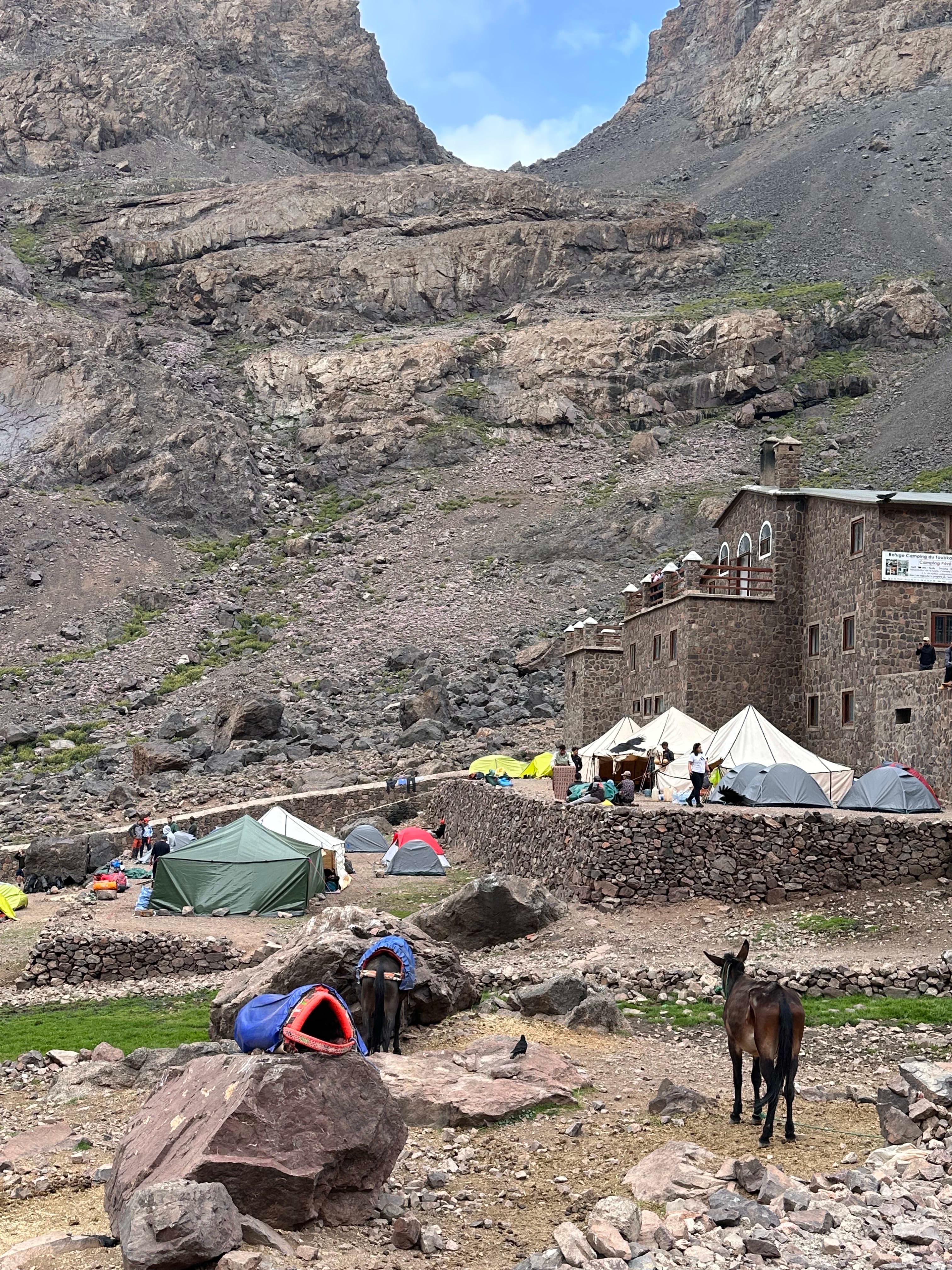
Mount Toubkal Summit Day: Step-by-Step from the Refuge to the Peak
A local guide explains Mount Toubkal summit day step by step, from the pre-dawn start at the refuge to sunrise, the 4,167m summit and the descent to Imlil.

How Difficult Is Mount Toubkal? Fitness, Altitude & Beginner Guide
An honest local guide to Mount Toubkal difficulty, including fitness, altitude, terrain, walking time, winter conditions, and whether beginners can reach the summit.
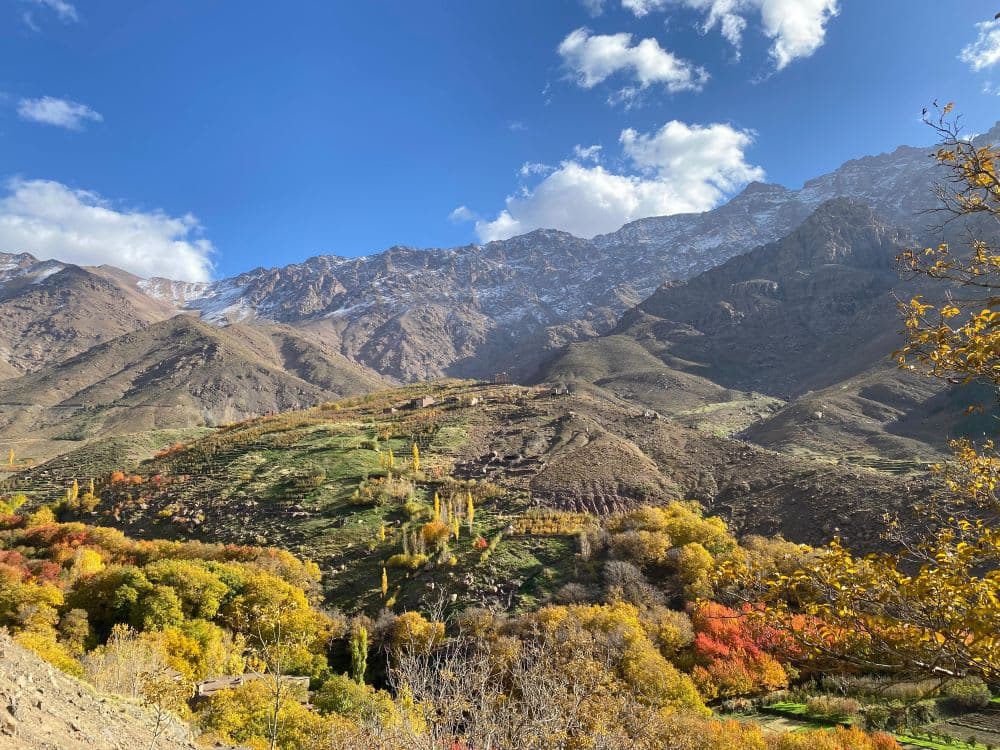
Berber Culture in the Atlas Mountains: What to Know Before Your Mount Toubkal Trek
Discover Berber culture in the High Atlas Mountains and learn what to expect in local villages during your Mount Toubkal or Atlas Valleys trek.