
Learn how to climb Mount Toubkal from Imlil with local guide advice on the 2-day route, difficulty, altitude, refuge, packing, cost, best season and summit day.
If you are wondering how to climb Mount Toubkal, the good news is that the normal route is achievable for many active travelers with the right pace, guide, and preparation. Toubkal rises to 4,167 meters in Morocco's High Atlas Mountains, making it the highest peak in North Africa and one of the most rewarding short treks from Marrakech.
Most hikers climb Mount Toubkal from Imlil over two or three days. The classic route follows the valley toward Sidi Chamharouch, continues to the Toubkal Refuge, then reaches the summit early the next morning before descending back to Imlil. It is not a technical climb in normal summer conditions, but the altitude, rocky trail, cold summit morning, and long descent mean it should be treated as a real mountain trek.
This guide explains the route, guide rules, itinerary, difficulty, best time, packing, cost, altitude tips, and what summit day really feels like from the point of view of local guides who work on this trail regularly. If you already know you want the direct route, you can compare the full program on our 2-day Mount Toubkal trek page.
Summary of the article
- Where Does the Trek Start?
- Do You Need a Guide for Toubkal?
- Typical Toubkal Trek Itinerary
- What a Guided Toubkal Trek Usually Includes
- Based on My Experience as a Local Guide
Jump to the section that interests you most.
Where Does the Trek Start?
The journey begins in Imlil, a mountain village about 65 km from Marrakech. As local guides based in Imlil, we organize treks directly from the valley, allowing a smooth start and proper preparation before heading into the mountains.
Do You Need a Guide for Toubkal?
Yes — hiring a licensed guide is now mandatory for climbing Mount Toubkal. This regulation helps ensure safety and proper organization in the region.
- Helps manage pace and altitude
- Ensures safety in changing conditions
- Shares insights about Amazigh culture and mountain life
You can join one of our guided 2-day Toubkal treks or choose a longer 3-day Toubkal trek for a more gradual ascent.
Typical Toubkal Trek Itinerary
Most climbers choose between a 2-day Toubkal trek and a longer 3-day option.
- **2-Day Trek**
- **3-Day Trek Options (Recommended)**
- - the classic 3-day Toubkal trek with 2 nights in the refuge
- - or a more scenic route with the 3-day trek via Tamsoult refuge before continuing to the Toubkal refuge
The 3-day options allow better acclimatization and a more comfortable experience.
What a Guided Toubkal Trek Usually Includes
A properly organized Toubkal trek brings the main mountain logistics together so that you do not need to arrange each service separately. Depending on the itinerary, this normally includes transport between Marrakech and Imlil, a local mountain guide, refuge accommodation, meals during the trek, and support from the local team.
Exact inclusions and group-size prices are different for each route. Check the live details on the 2-day Mount Toubkal trek itinerary, the relaxed 3-day Toubkal hike, or the 3-day route via Tamsoult and Azzaden Valley before choosing.
Based on My Experience as a Local Guide
After guiding hundreds of people to the summit of Mount Toubkal, I've noticed that most hikers succeed when they stop thinking of it as "climbing a mountain" and simply treat it as a two-day hike.
The first day covers around 12 km from Imlil to the refuge. For anyone without health issues who has done a little walking or light training beforehand, it's usually very manageable. The trail isn't flat, but it's not extremely steep either. In fact, I often describe it as the relaxing part of the journey. Only the last couple of kilometers tend to feel more demanding as the altitude and the day's effort begin to catch up with you.
The second day is where most people start overthinking. They worry about the cold, the steepness, or whether they'll make it. My advice is always the same: don't think about the whole mountain. Think about the next few steps. The summit is only about 4 km from the refuge, and with a steady pace, regular breathing, and a few short breaks, most people reach it in around three hours.
One mistake I see many hikers make is thinking about the descent while they're still climbing. Don't. Your body feels completely different after standing on the summit, enjoying the view, eating a snack, and taking a few minutes to appreciate what you've achieved. Almost every time, people tell me that going down felt much easier than they expected.
At Atlas Toubkal Trek, we focus on pacing rather than speed. We encourage everyone to drink water regularly, take short breaks when needed, and walk at a rhythm that suits the group. A good guide doesn't rush people to the summit; they help them arrive with enough energy to enjoy the experience.
The biggest challenge, however, is usually mental rather than physical. I've had many hikers tell me during the first hour, "I can't do this." We stop for a short break, chat for a while, take a few more steps, then a few more... and before they know it, they're standing on the highest point in North Africa. When I remind them what they said earlier, we usually end up laughing together.
That's why I spend a lot of time talking with hikers along the trail. We share stories, learn about each other's lives, and keep the atmosphere relaxed. It helps people stop focusing on the distance and start enjoying the journey. Mount Toubkal is meant to challenge you. If it were effortless, reaching the summit wouldn't feel nearly as rewarding.
Of course, safety always comes first. If someone develops a genuine medical problem, such as severe altitude sickness, chest pain, breathing difficulties, or another serious condition, our priority is to bring them back to the refuge safely. But for most healthy hikers, the hardest part is simply convincing themselves to keep taking one more step. More often than not, that's all it takes to reach the summit.
How Difficult is Mount Toubkal?
The trek is considered moderate to challenging. No technical climbing is required in summer, but the altitude and long walking hours make it physically demanding.
In winter, difficulty increases due to snow and ice, requiring equipment such as crampons and an ice axe.
Best Time to Climb Toubkal
Toubkal can be climbed all year round, but each season offers a different experience:
- Spring (April–May): Stable weather, snow at higher altitudes
- Summer (June–September): Warm and accessible, most popular
- Autumn (October–November): Clear views and fewer crowds
- Winter (December–March): Snow conditions, more technical and adventurous
If you are planning a cold-season ascent, you can also read our Mount Toubkal winter trek guide for more detailed advice.
What to Pack
Proper equipment is essential for a successful trek:
- Hiking boots with good grip
- Warm layers (even in summer, mornings are cold)
- Waterproof jacket
- Backpack
- Sun protection (hat, sunglasses, sunscreen)
- Gloves and warm hat (especially in colder months)
Altitude & Safety Tips
Altitude is one of the main challenges when climbing Mount Toubkal. Above 3,000 meters, you may feel slower or short of breath.
- Walk at a steady pace
- Stay hydrated
- Eat regularly
- Inform your guide if you feel symptoms like headache or dizziness
Weather conditions can also change quickly in the mountains. Our guides monitor conditions daily and adapt the plan when necessary.
How Much Does a Toubkal Trek Cost?
The cost of a Toubkal trek typically ranges depending on group size and services included such as transport, meals, and accommodation in the mountain refuge. You can see more details on our 2-day Toubkal trek, our classic 3-day Toubkal trek, or the 3-day Tamsoult route.
The Experience
Reaching the summit of Mount Toubkal is an unforgettable moment. Standing above the clouds, surrounded by the vast Atlas Mountains, offers a unique sense of achievement.
With the right preparation and guidance, this trek is not only achievable but truly life-changing.
Put this guide into practice
Guided treks related to this article
Written and reviewed by
Atlas Toubkal Trek Team
Atlas Toubkal Trek is based in Imlil, where the main Mount Toubkal and High Atlas routes begin. Our guides combine local trail knowledge with the practical questions hikers ask before and during their trek.
Meet the local teamTopics
Continue Reading
Explore more articles in Mount Toubkal Guides
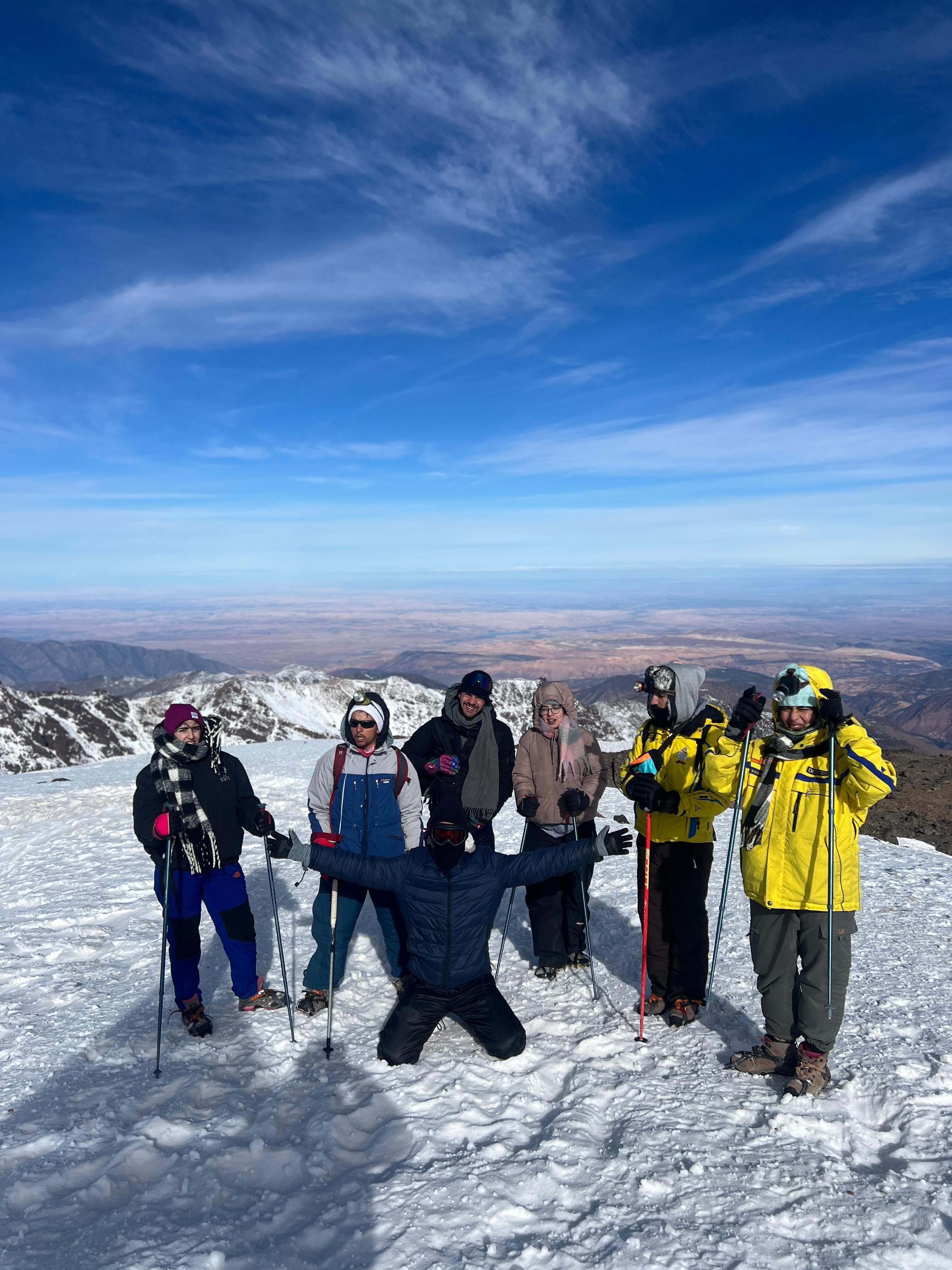
Toubkal Refuge Guide: What to Expect at Base Camp Before the Summit
Local guide to the Toubkal Refuge and Les Mouflons base camp, including the route from Imlil, rooms, food, showers, altitude, summit morning, packing tips and booking advice.
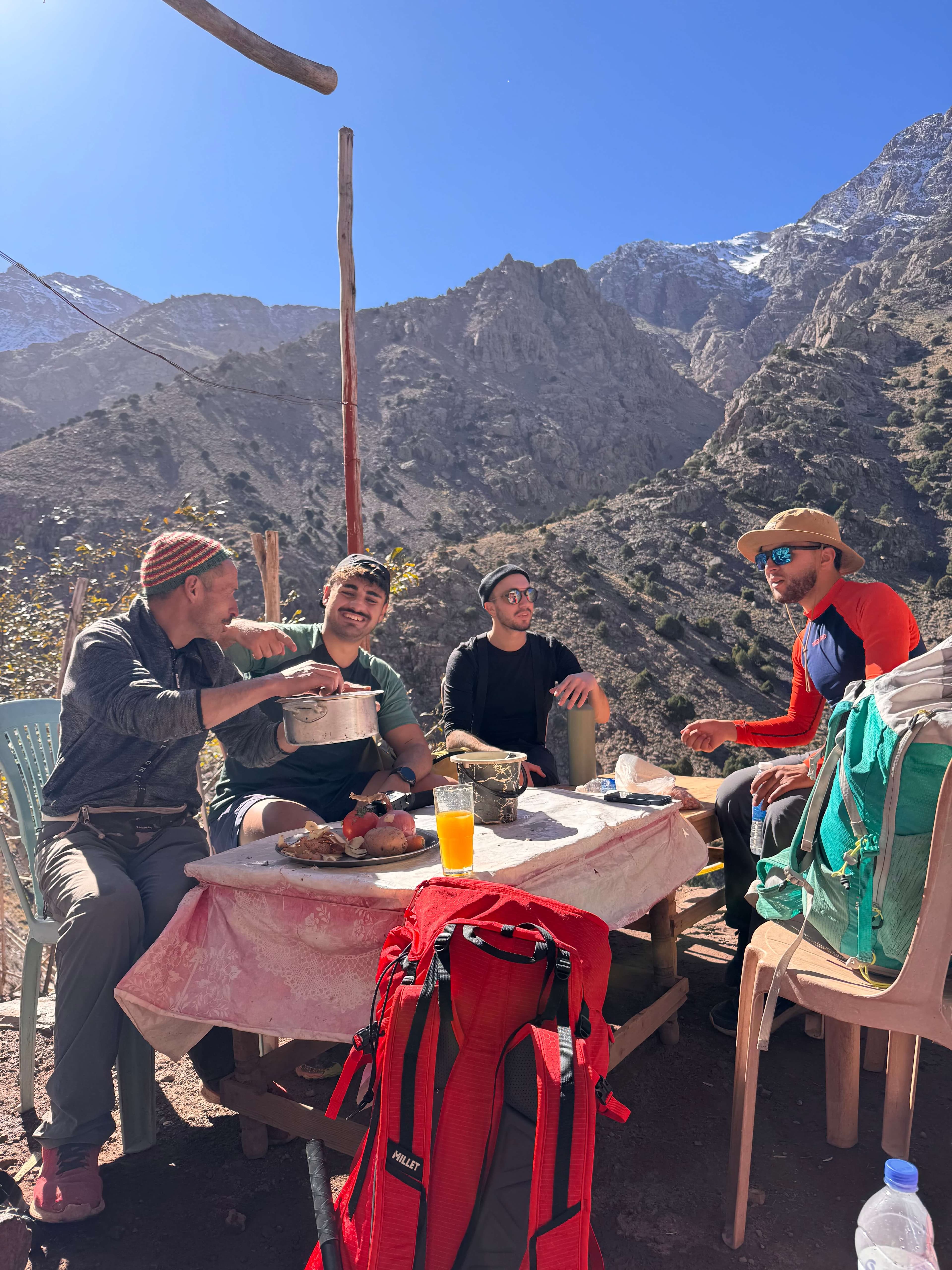
Mount Toubkal from Marrakech: Transport, Airport Pickup & Trek Guide
Plan your Mount Toubkal trek from Marrakech with transport options, airport pickup, Imlil transfer, equipment, and the best Toubkal trekking routes.
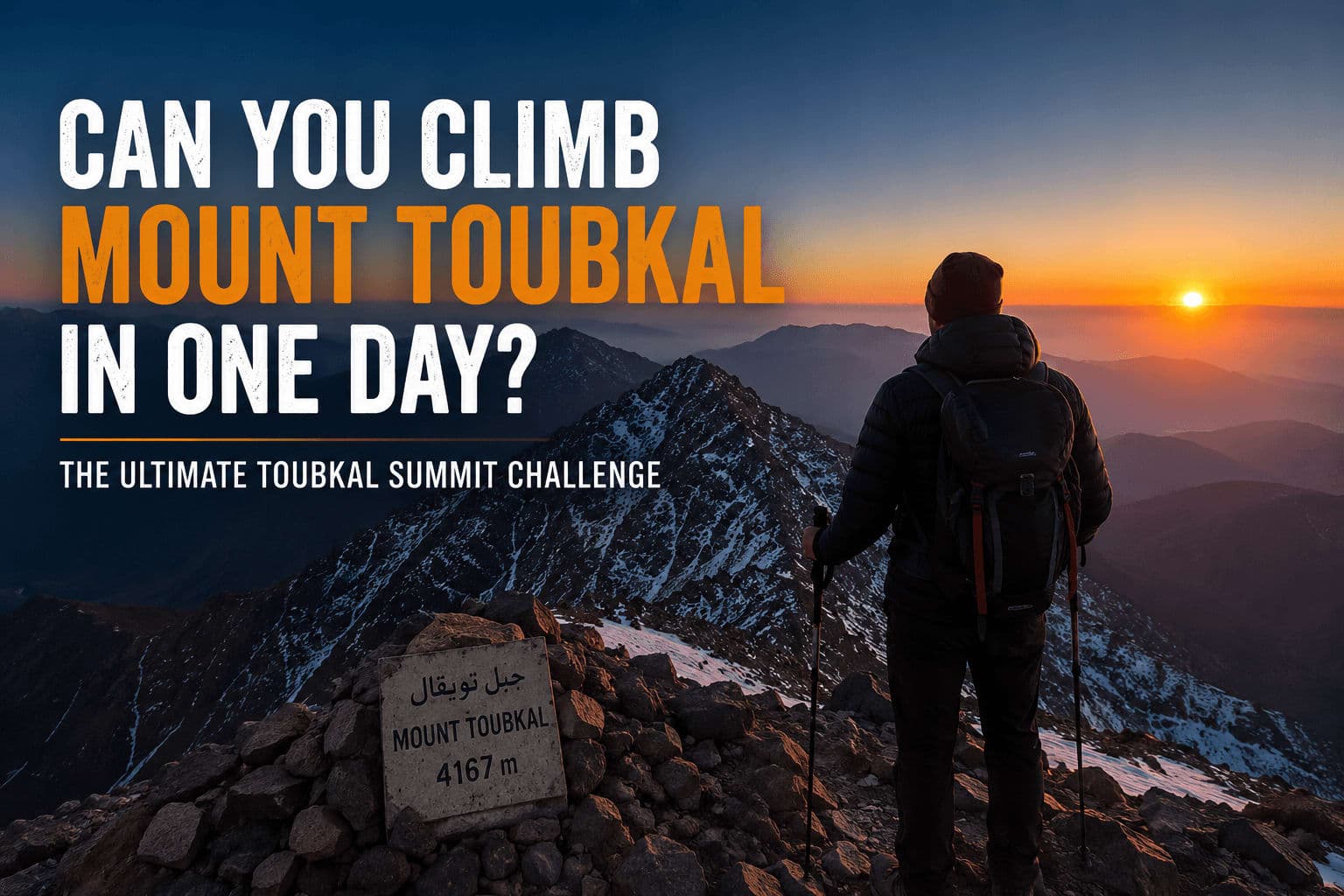
Can You Climb Mount Toubkal in One Day? The Ultimate Toubkal Summit Challenge
Discover whether it is possible to climb Mount Toubkal in one day. Learn about the Toubkal Summit Challenge, fitness requirements, distance, altitude gain, and safer alternatives.